
As businesses advance in their journey to the cloud with SAP landscapes, SAP Business Technology Platform (SAP BTP) has evolved as the platform for innovation, integration, and extensibility.
However, a missing SAP BTP governance model can easily cause cloud opportunities to turn into fragmented architectures, growing overheads, security exposures, and unmanageable developments.
This guide describes what an SAP BTP governance model is, the reason and context for it, and step-by-step how to define a pragmatic governance and guidance framework that will connect your cloud architecture with your business strategy.
What Is an SAP Business Technology Platform (SAP BTP) Governance Model?
An SAP BTP governance model is a pre-defined framework for how services on the SAP BTP are planned, consumed, secured, monitored, and optimised throughout an organisation.
It gives clear rules and responsibilities for:
- Platform usage
- Development standards
- Security and compliance
- Cost control
- Architecture consistency
Instead of a force constraining innovation, governance enables restrained flexibility that allows teams to move faster without incurring technical debt.
How SAP BTP Governance is Essential for Cloud Strategy
The SAP BTP is the heart of today’s SAP landscapes, into which – among others:
- S/4HANA (Cloud or On-Premise)
- SAP SuccessFactors, Ariba, Concur
- Non-SAP systems
- AI, analytics, and automation tools
Without governance, organisations often face:
- Duplicate applications across subaccounts
- Service consumption out of control and runaway spending
- Security misconfigurations
- Inconsistent integration patterns
- Poor lifecycle and transport management
Robust SAP BTP governance guarantees safe, predictable, and cost-effective scaling of cloud innovation.
SAP BTP Governance Model Key Objectives
Successful governance has five main aims:
Architectural Consistency
All BTP solutions, including alignment with Enterprise Architecture principles and target cloud architecture.
Security and Compliance
Safeguard data, identities, and integrations to satisfy regulatory and internal compliance standards.
Cost Transparency and Control
Monitor service usage and prevent overusage, and assign charges appropriately.
Scalable Development Enablement
Give teams the freedom to innovate without compromising standards.
Lifecycle and Operations Management
Efficiently control environments, transports, monitoring, and support.
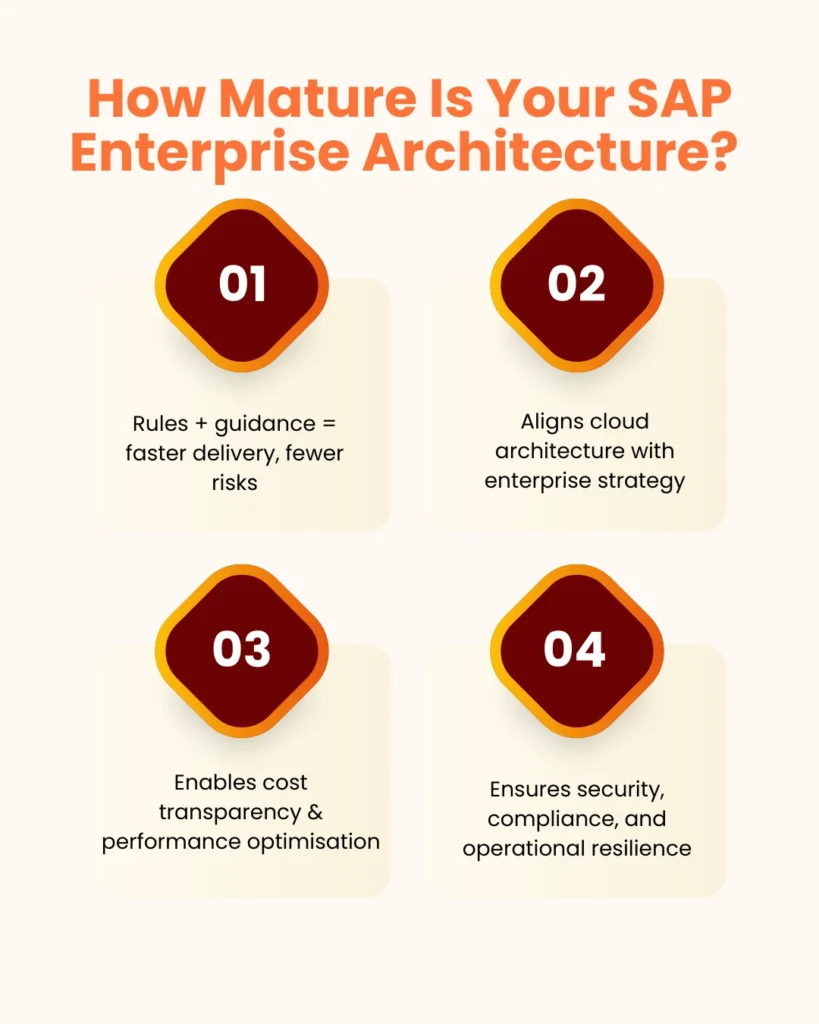
FIGURE 1 Key Dimensions in the SAP BTP Governance Model
Organisational Governance
Describes what belongs to whom in SAP BTP.
Key elements:
- BTP Platform Owner
- Architecture Review Board
- Security & Compliance Owners
- DevOps and Operations Teams
Bypass delays and conflicting decisions with clear ownership.
Account and Subaccount Strategy
A properly set up account model is the foundation of SAP BTP governance.
Best practices include:
- Single global account per environment (DEV / QA / PROD)
- Logical account segregation per region, business unit or use case
- Clear naming conventions
This organization leads to better security isolation and greater cost transparency.
Service Usage and Standardisation
Some BTP services are better not inhaled.
Governance defines:
- Approved vs restricted services
- Runtimes that include classic runtimes (CAP, Kyma, ABAP environment)
- Preferred integration technologies
This prevents technology sprawl and smooths support.
Security and Identity Governance
Governance must develop with security rather than security being layered onto the governance model.
Key focus areas:
- Identity Authentication Service (IAS) configuration
- Role and authorisation design
- Secure API access
- Data protection and encryption policies
Standardized Governance of Security reduces risk for all cloud pieces.
Integration Governance
SAP BTP also acts as an integration engine.
Governance ensures:
- Integrations can use standard patterns (events, APIs, messaging)
- Reusable integration content
- Monitoring and error handling standards
This ensures more robustness and fewer integration failures.
Development and Extension Guidelines
Governance should empower developers, not hinder them.
Define:
- Coding standards
- Expansion decision rules (in-app versus side-by-side)
- CI/CD and transport strategy
- Documentation requirements
Clear directions speed up the process of building without degrading quality.
Cost and Consumption Governance
Pricing: The SAP BTP is priced based on consumption.
Governance must include:
- Budget ownership
- Usage monitoring
- Quota management
- Chargeback or showback models
This avoids surprises and makes for better financial planning.
Operations and Lifecycle Management
Operational governance ensures long-term stability.
Includes:
- Monitoring and alerting standards
- Backup and recovery policies
- Decommissioning rules
- Upgrade and patch management
Robust operations governance keeps cloud landscapes fit and nimble.
SAP BTP Guidance Framework: Strategy Through to Execution
Recall, a governance model is only as good as the guidance it provides.
A complete guidance model for SAP BTP consists of:
- Architecture decision documents
- Reference architectures
- Security and integration playbooks
- Development checklists
- Cost optimisation guidelines
This structure enables teams to make the right decisions in a timely manner without constantly seeking out approvals.
Aligning SAP BTP Governance with an Enterprise Architecture
SAP BTP governance is not an island.
It must align with:
- Enterprise Architecture Maturity Models
- SAP Digital Maturity Frameworks
- Cloud and hybrid IT strategies
This combination will help to ensure SAP BTP is all about long-term, not short-term solutions.
Typical Blunders in SAP BTP Governance
Avoid these common pitfalls:
- Over-restrictive governance that blocks innovation
- No account and subaccount strategy to speak of
- Ignoring cost governance
- Considering BTP as merely a development environment
- Lack of documentation and guidance
Balanced governance is the key.
Final Thoughts
A well-crafted SAP BTP governance model is a must-have for any organization leveraging SAP BTP in its cloud architecture plan.
It provides:
- Architectural clarity
- Secure and scalable innovation
- Cost control
- Faster delivery with fewer risks
With governance and a robust guidance framework delivered together, organizations can unlock the true value of SAP BTP without losing control.